

Take a look at our newest merchandise


“There’s a time for a lot of phrases, and there’s additionally a time for sleep.” – Homer, The Odyssey
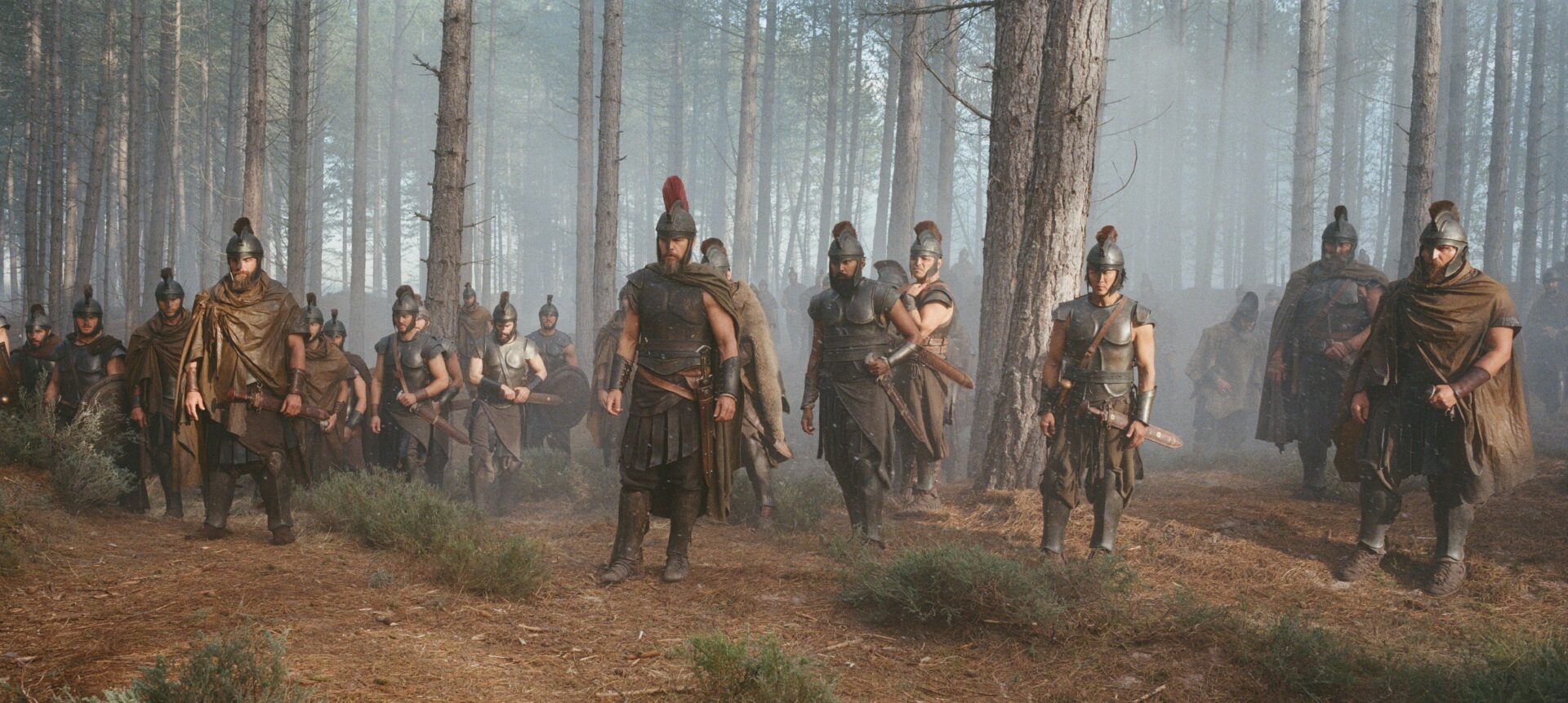
On the floor, The Odyssey is one among historical past’s best journey tales. A king survives monsters, storms, temptations, and shipwrecks in a determined try and return house after the Trojan Struggle. Christopher Nolan’s adaptation captures the size of that journey with breathtaking spectacle, however beneath the battles and mythology lies a quieter, extra common story.
Odysseus (performed by Matt Damon) is attempting to go house. Not merely to a spot, however to a life that not exists.
When he lastly reaches Ithaca, twenty years have handed since he left for Troy. His son Telemachus (Tom Holland) has grown into a person. His kingdom has modified. Even these closest to him battle to acknowledge him. Most significantly, Odysseus himself has been reworked by every little thing he has endured.
It raises a query that extends far past historical Greece. After hardship, failure, grief, or years spent chasing success, can we ever really return to the particular person we as soon as had been?
House is rarely precisely the place you left it
Many individuals think about that happiness lies in “getting again” to an earlier model of life. Again to the arrogance they as soon as had. Again to the connection earlier than it turned sophisticated. Again to the particular person they had been earlier than burnout, disappointment, sickness, or loss.
But Homer quietly reminds us that point solely strikes in a single route.
Odysseus doesn’t return to the identical Ithaca he left behind as a result of twenty years have modified every little thing. The island stays, however the folks have aged. His palace has been overrun by opportunistic suitors. His son, Telemachus, barely remembers his father. Even his loyal canine, Argos, acknowledges him solely moments earlier than dying—a heartbreaking reminder that life has continued with out him.
The lesson is refined however profound. The objective can’t be to reclaim the previous. The previous is gone. The problem is to construct a future with the particular person you have got develop into.
Each problem leaves a mark
Fashionable psychology more and more acknowledges what historical storytellers understood intuitively: main experiences reshape us.
Psychologist Richard Tedeschi, who helped develop the speculation of post-traumatic progress, discovered that many individuals emerge from adversity with larger resilience, deeper appreciation for all times, and stronger private values. Hardship doesn’t mechanically make us stronger, however it nearly at all times modifications us.
The identical transformation is seen all through The Odyssey.
The assured warrior who left for Troy depends totally on braveness and power. The person who returns to Ithaca has develop into one thing completely different. He survives not as a result of he’s the strongest particular person in each room, however as a result of he has realized endurance, restraint, humility, and technique. Repeatedly, Homer rewards knowledge over power.
Odysseus escapes the Cyclops by means of cleverness moderately than fight. He resists unattainable odds by means of endurance moderately than aggression. Even upon reaching Ithaca, he doesn’t instantly reclaim his throne. Guided by Athena, he observes, plans, disguises himself, and waits for the fitting second.
He has realized that maturity typically means understanding when to not struggle.
Identification is cast by means of the journey
One of the vital putting moments in Nolan’s adaptation is just not a battle however the quiet realization that house can not merely erase every little thing that occurred alongside the best way. The emotional weight of the movie comes from watching a person confront the gap between who he remembers being and who he has develop into.
This displays one of many oldest themes in literature. The journey was by no means merely about reaching Ithaca. The journey was creating the particular person able to ruling it.
We frequently consider id as one thing fastened—as if our “actual self” is ready someplace beneath stress and accountability. But thinker Heraclitus famously noticed that nobody steps into the identical river twice, as a result of each the river and the particular person have modified.
Confidence works the identical method.
Many individuals spend years attempting to “get their previous confidence again.” However maybe that’s the fallacious goal. The assured scholar can not remedy the issues of maturity. The fearless teenager has not but developed the knowledge earned by means of failure. Each stage of life calls for a special model of braveness.
Development requires letting earlier identities go.
Cease chasing your previous self
This is among the best traps in private growth.
Folks examine themselves to a earlier model of who they had been. They keep in mind being extra motivated, extra disciplined, extra optimistic, or extra social. They view each troublesome season as proof that they’ve someway develop into worse.
However what if the objective isn’t restoration? What if the objective is integration?
The Stoic thinker Marcus Aurelius repeatedly reminded himself that life is fixed change. Preventing actuality solely creates pointless struggling. The higher query is just not, How do I develop into who I was? however Who does this model of me have to develop into now?
That shift modifications every little thing. As a substitute of mourning misplaced confidence, you start creating wiser confidence. As a substitute of eager for simpler circumstances, you develop into able to dealing with tougher ones. As a substitute of measuring your self towards the previous, you put together your self for the long run.
The Ithaca Train
The traditional poet Constantine P. Cavafy, impressed by Homer’s epic, wrote, “Hope your highway is a protracted one, filled with journey, filled with discovery.” His level was that Ithaca provides us route, however the true present is who we develop into alongside the best way.
Take a couple of minutes to mirror by yourself journey.
Establish the model of your self you’re nonetheless attempting to return to. What interval of your life do you romanticize, and why?
Listing three qualities that hardship has taught you. They may be endurance, resilience, empathy, self-discipline, or perspective.
Ask what your current season requires. Somewhat than wishing to your previous strengths, contemplate which new ones your present challenges demand.
Select one motion that displays the particular person you’re changing into. Identification is bolstered by means of repeated selections, not grand declarations.
Your Ithaca remains to be forward
On the finish of The Odyssey, the story is just not merely a few king reclaiming his throne.
It’s a few man discovering that the vacation spot was by no means sufficient by itself. The years of battle, uncertainty, temptation, sacrifice, and endurance had modified him ceaselessly. Returning house didn’t erase these experiences. It gave them that means.
Our personal lives observe an identical sample. There are seasons once we really feel misplaced, disconnected from the particular person we as soon as had been, and unsure whether or not we are going to ever really feel like ourselves once more. It’s tempting to imagine that achievement lies someplace behind us—that if solely we might return to an earlier model of life, every little thing can be proper.
However life doesn’t ask us to develop into who we had been. It asks us to develop into who our experiences have ready us to be.
Maybe that’s the deepest lesson of The Odyssey. The hero doesn’t really return house as a result of he has discovered his previous self. He returns as a result of, after every little thing he has endured, he’s lastly able to develop into somebody new.